

Why RA Copper Is Used in Dynamic Flexible PCBs

Flexible PCBs can be designed for simple installation bending or continuous movement. When an FPC needs to withstand repeated bending, rolled annealed (RA) copper is often preferred because of its excellent ductility and fatigue resistance.
What Is Rolled Annealed Copper?
RA copper is produced by rolling copper to the required thickness and then annealing it. This process creates a copper structure with good ductility and allows the material to withstand repeated mechanical deformation.
This makes RA copper particularly suitable for dynamic flexible PCBs, where the circuit may bend thousands or even millions of times during its service life.
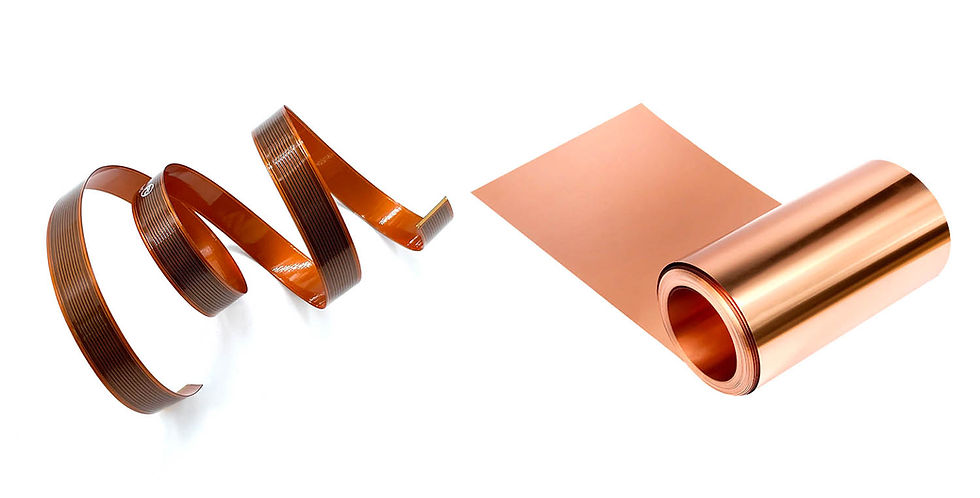
Why Is RA Copper Used for Dynamic Flexing?
When a flexible PCB bends, its copper traces experience tensile and compressive stress. Repeated bending can eventually cause copper fatigue, microcracks, and electrical failure.
RA copper can tolerate this repeated deformation better because of its high ductility and favorable mechanical properties.
By comparison, electrodeposited (ED) copper is widely used in many flexible PCB applications but may not provide the same level of dynamic bending performance.
Feature | RA Copper | ED Copper |
Ductility | High | Generally lower |
Dynamic bending | Excellent | Application-dependent |
Repeated flexing | Suitable | More limited |
Cost | Higher | Lower |
Typical use | Dynamic FPC | Static/limited flexing |
The choice, however, depends on the actual application. An flexible circuit board that is bent once during assembly does not necessarily require RA copper.
RA Copper Alone Does Not Guarantee Flex Life
Although RA copper is well suited to dynamic applications, the overall flexible PCB structure is equally important.
Key factors include:
Bend radius: A smaller radius creates greater strain on the copper.
Copper thickness: Thicker copper generally reduces flexibility in a tight bending area.
Trace design: Smooth trace geometry helps reduce stress concentration.
Layer structure: The position of copper relative to the neutral axis affects bending strain.
Coverlay and stiffener: Their thickness and location can significantly influence flexing performance.
For high-cycle applications, these factors need to be considered together rather than selecting copper independently.
Where Is RA Copper Flexible PCB Used?
RA copper flexible printed circuit boards are commonly found in applications involving repeated movement, such as:
Foldable devices
Camera modules
Robotics
Wearable electronics
Automotive moving assemblies
Medical equipment
Printer and scanner mechanisms

RA Copper for Reliable Dynamic FPC
The main reason rolled annealed copper is used in dynamic flexible PCBs is its ability to withstand repeated deformation with lower risk of fatigue-related failure.
However, long-term flex life depends on more than copper type. RA copper, bend radius, copper thickness, trace design and flexible PCB stack-up must all be properly matched to the required bending cycles.
For dynamic flexible circuit applications, material selection and manufacturing control should therefore be evaluated together to achieve the required mechanical and electrical reliability.


Comments